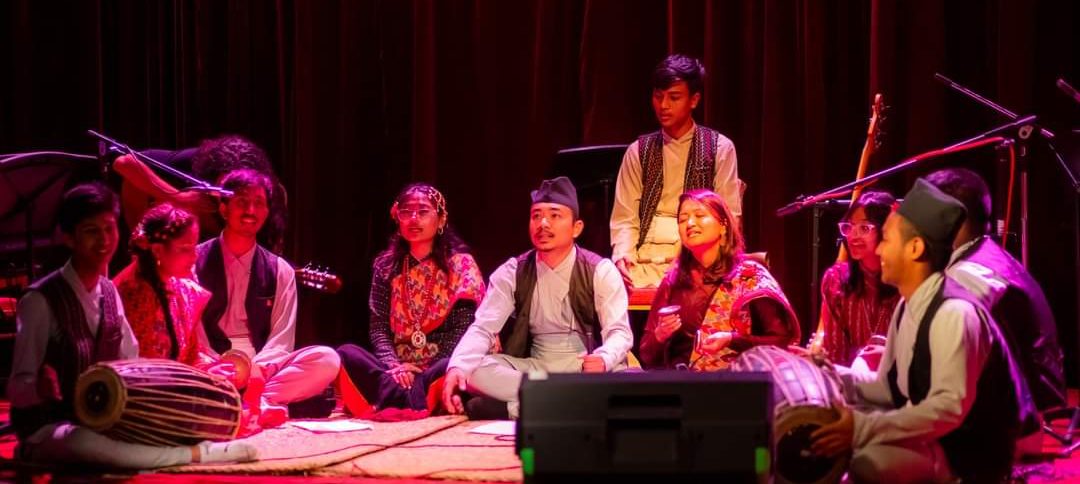

Newari art, a vibrant and intricate expression of the Newar community of Nepal, has long been a cornerstone of Himalayan cultural and spiritual heritage. Renowned for its delicate craftsmanship, symbolic depth, and spiritual undertones, Newari art has transcended local boundaries to influence and inspire art traditions across the globe. However, the broader global context of Newari art remains relatively unexplored, despite its immense potential to foster cross-cultural understanding and dialogue. This article delves into the significance of Newari art in a global framework, its influence on other artistic traditions, and its relevance in today’s interconnected world.
Newari Art as a Cultural Ambassador
Art has always been a universal language, transcending cultural and linguistic barriers to communicate shared human experiences. Newari art, with its roots in spirituality and storytelling, serves as a cultural ambassador for Nepal, introducing global audiences to the rich traditions of the Kathmandu Valley. Paubha paintings, intricately carved wooden temple struts, and meticulously crafted bronze sculptures are not merely decorative artifacts but repositories of centuries-old beliefs, rituals, and narratives.
As global travelers and art enthusiasts discover Newari art through museums, exhibitions, and online platforms, they gain a deeper appreciation for its complexity and significance. By engaging with these works, viewers are invited into a dialogue about the shared values of devotion, community, and artistic expression that transcend borders.
Influence on Global Art Traditions
Newari art has historically exerted a profound influence on the artistic traditions of neighboring regions, particularly Tibet and China. The Newar artisans, known for their exceptional skills, played a pivotal role in shaping Tibetan Thangka art and the creation of Buddhist sculptures. Their mastery of bronze casting and their ability to convey intricate symbolic details in both religious and secular contexts left an indelible mark on Himalayan art.
Similarly, the geometry and symmetry of Newari mandalas have resonated with artistic practices far beyond Asia. In recent years, these motifs have been incorporated into contemporary global art and design, from digital illustrations to architectural projects, highlighting their timeless appeal and adaptability.
Newari Art in the Contemporary Global Market
The global art market’s growing interest in traditional and spiritual art forms has brought Newari art into the spotlight. Collectors and institutions worldwide have recognized its value, both as a historical artifact and as a source of inspiration for modern creativity. However, this surge in demand also brings challenges, including the ethical sourcing of artifacts and the need to ensure fair compensation for local artisans.
Organizations and initiatives aimed at promoting Newari art on a global scale are increasingly adopting ethical and sustainable practices. By supporting artisan communities through fair trade models, these efforts not only preserve the authenticity of the craft but also ensure its continuity in an ever-evolving market.
Preservation and Adaptation
One of the critical challenges facing Newari art in the global context is balancing preservation with adaptation. While traditional techniques and themes must be safeguarded, there is also room for innovation. Contemporary Newari artists are exploring new mediums and platforms, blending traditional motifs with modern aesthetics to appeal to global audiences.
For instance, digital technology has opened new avenues for showcasing Newari art. Virtual galleries, online workshops, and social media platforms have made it possible for artists to connect with a global audience, ensuring that the art form remains dynamic and relevant in the 21st century.
A Source of Cross-Cultural Inspiration
Newari art’s emphasis on harmony, balance, and spirituality resonates deeply with audiences worldwide, particularly in an era marked by rapid change and cultural convergence. Artists, designers, and creatives from diverse backgrounds have drawn inspiration from Newari motifs and philosophies, integrating them into their own works.
This cross-cultural exchange not only enriches the global art scene but also fosters mutual respect and understanding. It underscores the idea that while Newari art is deeply rooted in a specific cultural context, its themes and aesthetics have universal relevance.
The Future of Newari Art on the Global Stage
As the world becomes increasingly interconnected, the opportunities for Newari art to thrive on the global stage are boundless. Collaborative projects, international exhibitions, and digital innovations can amplify its reach and impact. However, these efforts must be rooted in a deep respect for the cultural heritage and the communities that sustain it.
Education plays a crucial role in this process. By incorporating Newari art into global art curriculums and encouraging cross-disciplinary research, we can ensure that future generations recognize and appreciate its value. Furthermore, empowering Newari artists to take the lead in representing their work on global platforms ensures that the narrative remains authentic and community-driven.
Understanding Newari art through a global lens reveals its profound ability to connect cultures, inspire creativity, and foster dialogue. It serves as a reminder of the shared human quest for meaning, beauty, and connection. As Newari art continues to evolve and engage with global audiences, it not only preserves its unique heritage but also enriches the broader tapestry of world art.
By embracing both tradition and innovation, Newari art has the potential to shine as a beacon of cultural resilience and artistic excellence in an increasingly interconnected world.

